Furthermore, jQuery offered a syntax that was simpler and more logical than that of JavaScript. The most important thing was access to HTML elements. Think about it: JavaScript is like a native script for web pages, originally designed to run in the browser, but it behaves like a stranger: to do something with an HTML element, you must first "find" it on the page (getElementById). But why not simply access this element in code: $("#id") like in jQuery? (By the way, this is where the name JavaScript-Query comes from). Additionally, Resig implemented ready-made, commonly used animations in jQuery (fadeIn, fadeOut, slideDown, etc.) and created a convenient .animate() method for any movement, making web developers' lives easier.
As a result, jQuery became so popular that almost every website used it by default. JS developers developed new scripts based on jQuery. The jQuery Foundation was founded and developed jQuery UI - the library, which remains one of the best by the choice of ready-made interface elements (draggable lists, tabs, autocomplete, dialog boxes, etc.).
But today jQuery is outdated. Why? Now that all browsers have switched to the unified Chromium engine, the problem of inconsistent JS performance across browsers has disappeared. Modern CSS can create all the same animations as jQuery, only more reliably, faster and more beautifully. Frameworks like React/Vue/Angular provide vast libraries of ready-made interface elements, even larger than jQuery UI. They also correct the imperfect syntax of JavaScript.
At the same time, jQuery's developers (from the jQuery Foundation) haven't kept up with progress: they haven't implemented support for new CSS features (flex/grid), responsive design and theme support. By today's standards, jQuery UI is heavy and slow. However, reading books about jQuery is still very useful and interesting. Here are some in PDF:
jQuery Cookbook: Solutions & Examples for jQuery Developers
2009 by Cody Lindley

Download PDF
Web Development with jQuery
2015 by Richard York

Download PDF
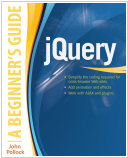
jQuery: A Beginner's Guide
2014 by John Pollock
Download PDF
See also: Top 10 eBook Organizers
How to download PDF:
1. Install Gooreader
2. Enter Book ID to the search box and press Enter
3. Click "Download Book" icon and select PDF*
* - note that for yellow books only preview pages are downloaded