2026.
Library management software FOLIO updated its core platform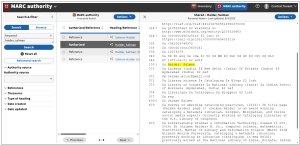
The FOLIO Open Source community has released a new version of the
FOLIO library services platform, Sunflower. It brings significant changes to the architecture of the FOLIO library services platform (LSP) and also includes many exciting improvements. The main architectural change is the transition from Okapi to the Eureka platform, which adds support for interactions between modules (sidecars) and components for the application manager, tenant manager and tenant access manager. In addition, the Sunflower release adds more intelligent and flexible bulk editing of records, improved invoices and organizations that include a full change history, which increases financial transparency and improves vendor management, simplified inventory management, full support for COUNTER 5.1 for collecting, exporting and uploading JSON and improvements to working with serial numbers and receipts.
2023.
Judges grant OPALS the 2023 MLA Platinum Award
LibraryWorks has published the new edition (2023) of its Modern Library Awards in a special addition to Library Products & Services News magazine. MLA is an impartial program that recognizes the best products and services serving the library industry. Nominees first submitted brief descriptions of their proposals for review. Then these descriptions were then shared with LibraryWorks readers, including librarians from public, academic, school and special libraries, who rated them on a scale of 1 to 10. As a result, the open-source automated library system
OPALS once again received the prestigious Platinum Award.
2022.
FOLIO 14 brings electronic resource management
The open source community FOLIO has released a new version of its library management system,
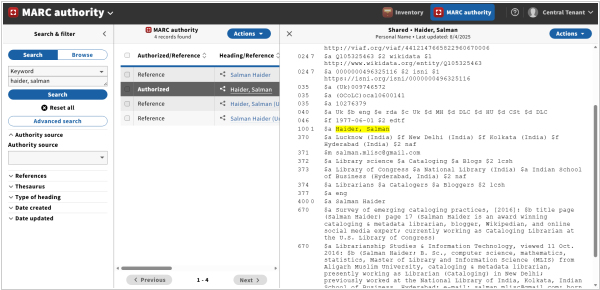
FOLIO 14. This update aims to improve the librarian's experience with the FOLIO platform by introducing improved user interface for cataloging, data import and book distribution via the Calendar module. Enhancements to the acquisition system include the ability to preview fiscal year rollovers, create new invoices from order records, manage GOBI integration via a dedicated user interface and download/resubmit EDIFACT order export files using the Export Manager module. ERM includes improved dashboard management and sharing capabilities, improved keyword searching for agreements, expanded search and filtering capabilities by agreement strings, display of alternative titles and the ability to export package and title information via the eholdings module. Additionally, bulk editing capabilities have been expanded to allow editing user records, FOLIO locations and loan types across the platform.
2022.
Koha adds Electronic resource management 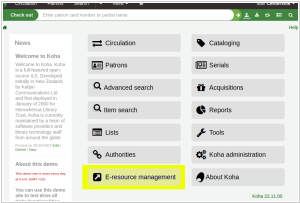
The new version of open-source library management software
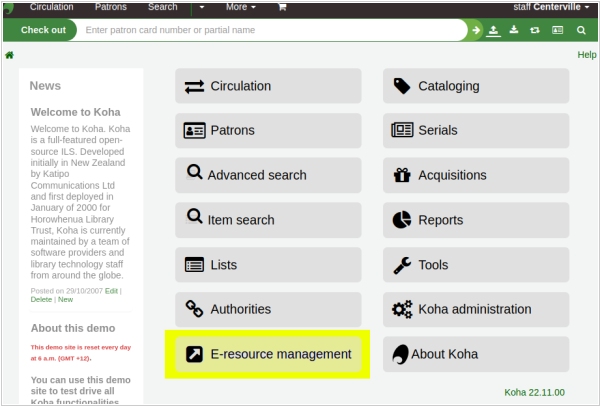
Koha has added Electronic resource management (ERM) module. This new module adds a mechanism to track the selection, acquisition, licensing, access, maintenance, usage, evaluation, retention and de-selection of a library’s electronic information resources. These resources include, but are not limited to, electronic journals, electronic books, streaming media, databases, datasets, CD-ROMs and computer software. Also the new version adds option to require 2FA setup on first staff login, allows storing item values as a template for creating new items, adds ability to create bundles of items for circulation, adds the ability to create ‘saved searches’ for use as filters when searching the catalog.
2022.
Evergreen improves interface and notifications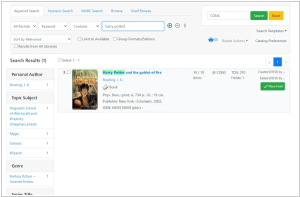
Open-source library management software
Evergreen has released the new versio 3.10. This major feature release introduces several notable enhancements, including further Angularization of the acquisitions interfaces, the addition of support for the EDI DESADV message for advance shipment notices, integration with the Bing Maps API for geographic sorting, improved formatting of outgoing emails as HTML, the capability to use Evergreen as an identity provider for OpenAthens, compatibility with Ubuntu 22.04, the introduction of a new experimental Angular interface for circulation and patron management and the Angularization of various other staff interfaces.