2025.
AnyBook invented social book-kiosks for companies
Israeli startup
AnyBook has come up with a new idea for companies how to unite employees into a friendly community - by identifying common interests (in reading books). To do this, a book kiosk is installed in your office (for example, in the reception area or in the break room). At first, it is filled with popular (professional or fiction) books by AnyBook itself, but the company management and employees can bring their own books from home and share them via this kiosk. Then, employees can borrow books to read. A mobile app is used to keep track of books - it shows which books are currently on the kiosk shelf and which ones have been borrowed by certain employees. In the same application, employees can share their reviews and recommendations. Thus, soon the team will read the same books and employess have something to talk about. In addition, the startup's AI tracks the company's book preferences and updates the kiosk library, pushing new books that are most likely to interest the employees. The service is already used by several companies such as the Tel Aviv Municipality, Elbit, Amdocs, Playtika, Pango, HiBob and Natural Intelligence.
2023.
Bibliovation 7.2 gets online payment options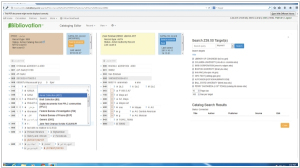
LibLime introduces the latest version of its ILS software
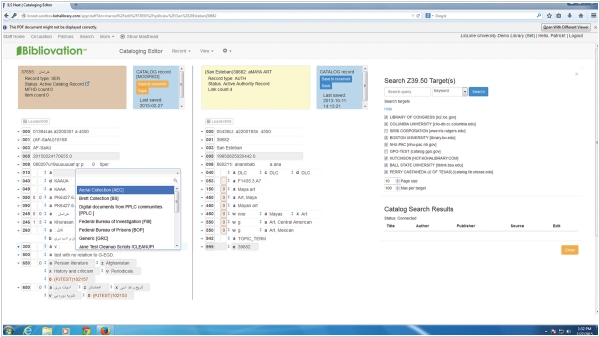
Bibliovation 7.2. It is entirely web-based, granting researchers, library staff and system administrators access through web browsers. By leveraging the FedRAMP authorized IaaS and PaaS certification from Amazon AWS Cloud, along with a special security authorization from the US Department of Defense's cybersecurity experts for SaaS, Bibliovation provides libraries with a highly secure and cost-effective hosting solution. It supports various standards such as MARC21, Dublin Core, RDA and geotagging, enabling libraries to manage both physical and digital content on a single Rest API-based platform. The Bibliovation circulation subsystem is purpose-built to facilitate shared union catalog solutions, granting individual consortium members significant autonomy, including ownership of local bibliographic records, item records and patron records. Bibliovation MARC cataloging allows for local control over cataloging rules that can complement or surpass AACR2 and RDA rulesets. The acquisitions subsystem in Bibliovation is EDI-compliant, featuring a multi-tiered fund hierarchy and supporting the import of csv data converted into the MARC21 format for streamlined acquisition workflows. Additionally, Bibliovation now includes online payment options and comprehensive NCIP support. With hosted production, reporting and test systems, libraries have the necessary capabilities and control to effectively support their daily operations.
2022.
FOLIO 14 brings electronic resource management
The open source community FOLIO has released a new version of its library management system,
FOLIO 14. This update aims to improve the librarian's experience with the FOLIO platform by introducing improved user interface for cataloging, data import and book distribution via the Calendar module. Enhancements to the acquisition system include the ability to preview fiscal year rollovers, create new invoices from order records, manage GOBI integration via a dedicated user interface and download/resubmit EDIFACT order export files using the Export Manager module. ERM includes improved dashboard management and sharing capabilities, improved keyword searching for agreements, expanded search and filtering capabilities by agreement strings, display of alternative titles and the ability to export package and title information via the eholdings module. Additionally, bulk editing capabilities have been expanded to allow editing user records, FOLIO locations and loan types across the platform.
2022.
Koha enables two-factor authentication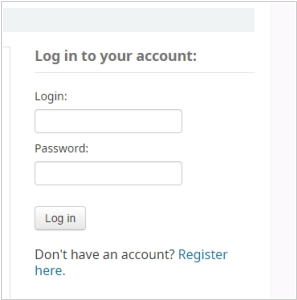
The latest incarnation of the ILS system,
Koha 22.05, saunters onto the stage with an optional dabble in two-factor authentication (2FA)—because, let’s face it, passwords alone are about as secure as hiding your library key under the doormat. This avant-garde security flourish involves time-based, one-time passwords (TOTP), which sound impressive and, to be fair, rather are. Librarians are invited to partake in the ritual by downloading an authenticator app—Google Authenticator, andOTP, or any suitably clever app that won’t lose your codes in a cosmic accident. With a quick detour to More > Manage Two-Factor Authentication, you can unlock the mysteries of 2FA by: 1) Pointing your phone at a QR code with all the earnest intent of someone trying to capture a rare Pokémon, and 2) typing in the cryptic one-time code that materializes. Thereafter, each login becomes an adventure as the system politely demands the magic authenticator code in addition to your usual credentials. Pro tip: Opt for apps with backup features—because when the universe sneezes, you’ll want your 2FA accounts firmly tethered in the cloud or somewhere equally non-ephemeral.
2021.
Evergreen adds acquisitions administration, holdings maintenance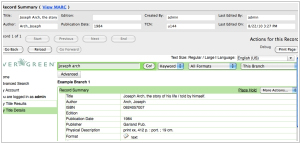
The release of
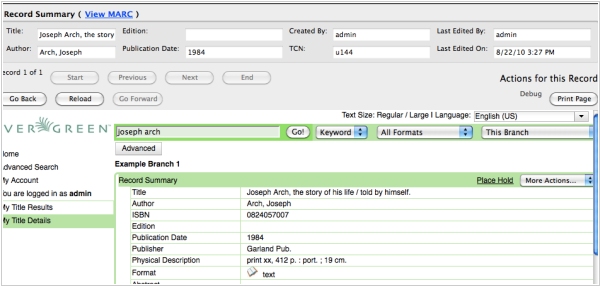
Evergreen 3.8 is announced by The Evergreen Community. Evergreen is a highly-scalable software designed for libraries to facilitate the discovery of library materials by patrons and assist in managing, cataloging and circulating those materials, regardless of the library's size or complexity. This release brings numerous new features and enhancements, such as Angular rewrites of several staff interfaces including acquisitions administration, holdings maintenance, item attributes editor, patron triggered events log and item triggered events log. Additionally, it introduces a case-insensitive option for browsing headings, a new interface for editing notes attached to bibliographic records, improvements to the staff interface for browsing bib records attached to a heading and consolidation of patron notes, messages, alert messages and standing penalties into a unified notes interface. Other additions include settings for determining item value based on item price and acquisition cost, enhancements to override event dialogs in checkout and renewal interfaces, the ability to edit the patron photo URL during registration, settings for hold stalling based on pickup library, settings for default pickup location for staff-placed hold requests, utilization of a newer Stripe API for credit payments in the public catalog, display of cover images in My Account pages for items checked out, check out history, holds and holds history and new reporting views such as item statistics and Dewey call number blocks and ranges.0352