Kobo Clara vs Nook GlowLight
May 09, 2026 | Author: Dhaval Parekh
23

6-inch e-reader - Kobo's answer to the Kindle Paperwhite. It provides optimal lighting for reading day and night thanks to ComfortLight PRO technology. You can adjust the brightness and color temperature to reduce blue light exposure before bed. Its 8GB memory holds up to 6,000 e-books. The battery lasts for several weeks. You can choose from over 50 font sizes and 12 font types, adjust margins, and more. It also features highlighting, note-taking and a built-in dictionary.
6

Nook Glowlight is B&N's flagship model. It's a basic 6" reader with 300-dpi touchscreen with built-in glare- scratch- and fingerprint-resistant lens provides a paper-like reading experience. As the name says, it features GlowLight illumination, powerful enough to read in bed or in the bright light of the sun. You can manually adjust the warmth of the light or set it to mimic the natural progression of the sun automatically. The device has a comfortable design. Soft-touch finish makes it easy to grip and comfortable to hold. It’s can work for weeks on a single charge and syncs with NOOK Reading App for iPhone and Android, so you can pick up a book right where you left off. The digital discovery feature (B&N Readouts) serves up a daily selection of free book excerpts, magazine articles, curated blogs, and more.
Kobo Clara vs Nook GlowLight in our news:
2022. Kobo Clara HD 2 will be available soon
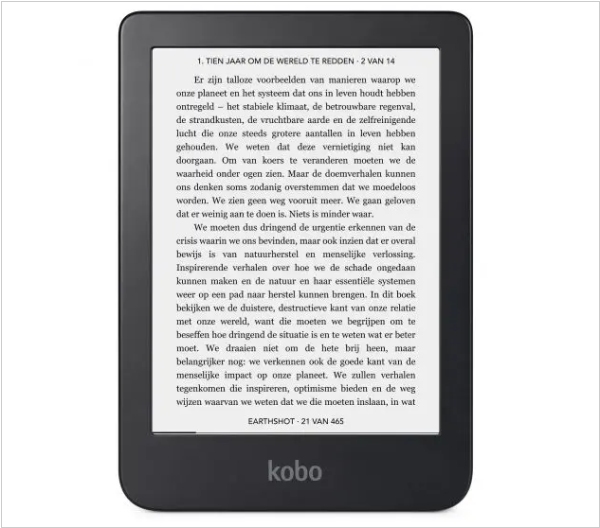
Kobo is going to be releasing a new e-reader in the next couple of months - Kobo Clara 2, which is a second generation model to their mega popular 300 PPI ebook reader. The new model will feature a six inch E INK Carta 1200 display panel, which will increase page turn speed and overall performance of the reader. It will have a 300 PPI screen and have a front-lit display and candlelight color temperature system. One thing that is very interesting about this model, is that it will be the first e-reader in the world to employ the new E Ink ComfortGaze, a new front light technology that reduces the amount of blue light, with a reduced Blue Light Ratio (BLR) and Blue Light Toxicity Factor (BLTF) by up to 60% and 24% respectively. BLR is the ratio of toxic blue to total blue light output, and BLTF is the ratio of brightness to hazardous blue.