FOLIO vs Koha
January 11, 2026 | Author: Maria Lin
22

FOLIO is a modular, open-source library services platform designed for the cloud. It supports traditional resource management functions and can be extended to other institutional areas. The system offers multi-tenancy and an API-centric architecture. The modular model ensures the separation of business logic and implementation details, allowing modules to incorporate new technologies as they become available. The platform, like a construction kit, allows to create applications that suit various library workflow combinations. In the community you can find a variety of vendors offering implementation, consulting and hosting services.
27

Free, open-source, web-based integrated library system used today by hundreds of libraries worldwide. Koha offers easy-to-use lending policies, efficient patron management, intuitive navigation and advanced access rights for staff accounts, as well as extensive support for reservations, OPAC search, staff managemnt and administrative functions. Koha's acquisitions module allows the library to record orders placed with suppliers and manage purchasing budgets. It is server software running on a GNU/Linux operating system such as Debian or Ubuntu. It is not a desktop application and does not run natively on Windows or macOS.
FOLIO vs Koha in our news:
2026. Library management software FOLIO updated its core platform
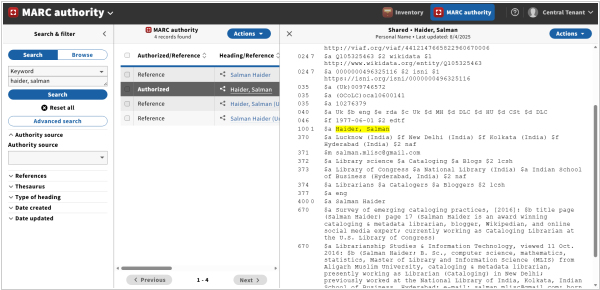
The FOLIO Open Source community has released a new version of the FOLIO library services platform, Sunflower. It brings significant changes to the architecture of the FOLIO library services platform (LSP) and also includes many exciting improvements. The main architectural change is the transition from Okapi to the Eureka platform, which adds support for interactions between modules (sidecars) and components for the application manager, tenant manager and tenant access manager. In addition, the Sunflower release adds more intelligent and flexible bulk editing of records, improved invoices and organizations that include a full change history, which increases financial transparency and improves vendor management, simplified inventory management, full support for COUNTER 5.1 for collecting, exporting and uploading JSON and improvements to working with serial numbers and receipts.
2022. FOLIO 14 brings electronic resource management
The open source community FOLIO has released a new version of its library management system, FOLIO 14. This update aims to improve the librarian's experience with the FOLIO platform by introducing improved user interface for cataloging, data import and book distribution via the Calendar module. Enhancements to the acquisition system include the ability to preview fiscal year rollovers, create new invoices from order records, manage GOBI integration via a dedicated user interface and download/resubmit EDIFACT order export files using the Export Manager module. ERM includes improved dashboard management and sharing capabilities, improved keyword searching for agreements, expanded search and filtering capabilities by agreement strings, display of alternative titles and the ability to export package and title information via the eholdings module. Additionally, bulk editing capabilities have been expanded to allow editing user records, FOLIO locations and loan types across the platform.