Libby vs Scribd
January 03, 2026 | Author: Maria Lin
15

Libby is a free app and web service (from OverDrive) for renting digital books from local libraries. Over 90% of public libraries in North America have OverDrive, and Libby can be found in 78 countries worldwide. You sign in using the library card you get from your local library. Books aren't freely available - you have to join a queue and wait for other users to make a book available before you can borrow it (as the library has a license for a limited number of copies). Libby has no paid subscriptions or in-app purchases. The app includes a book reader and audiobook player, and syncs your reading progress across devices.
13
Scribd is the world's largest digital library, where readers can discover books and written works of all kinds on the Web or any mobile device and publishers and authors can find a voracious audience for their work. Launched in March of 2007 and based in San Francisco California, more than 40 million books and documents have been contributed to Scribd by the community. Scribd content reaches and audience of 80 million people around the world every month.
Libby vs Scribd in our news:
2025. Libby adds new AI discovery feature
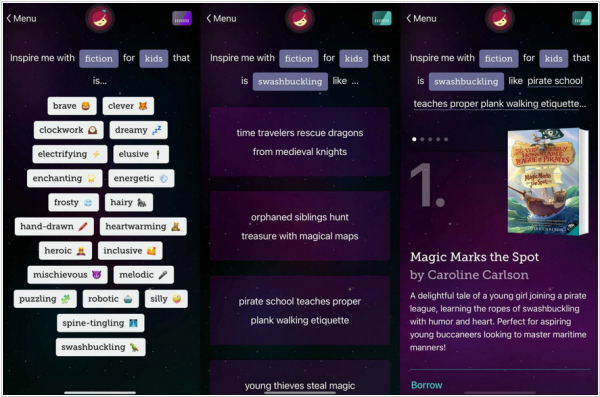
OverDrive's Libby is launching a new feature designed to make finding your next read easier and more fun. The feature is called Inspire Me and it uses AI trained on each library’s unique digital collection (the developers say this is important because each library topic is unique while other book discovery services typically build a virtual profile of interests across different categories). The recommendations are based on the user’s previously saved books in Libby. User is initially presented with five relevant books, each accompanied by a short description of how the book fits his interests. The feature can be found by tapping the Libby icon in the center of the menu at the bottom of the app.
2014. Scribd builds new discovery experience
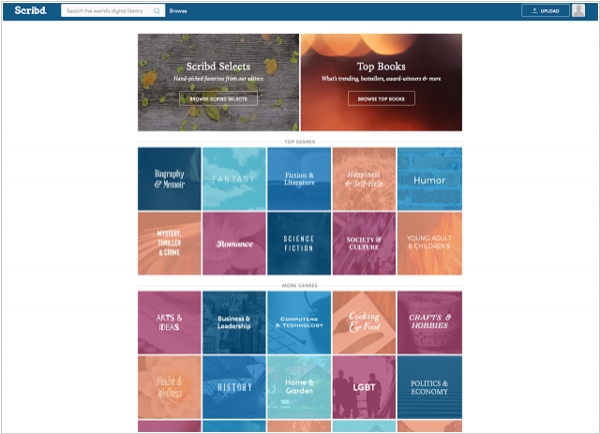
Subscription ebook service Scribd is launching a new book discovery engine. The new technology is a mix of editor tagging and curation, a new book categorization system that eschews the widely accepted BISAC book classification scheme, and algorithms that help put it all together to surface new and better book recommendations to users. More than half of Scribd titles are discovered serendipitously now, and the company believes that the key to retaining more subscribers is to grow that proportion further. Recommendation engines are more important for subscription services than for other kinds of retail operations because retention is all about keeping customers engaged.